The Leading Platform for
Development Acceleration
Incredibuild empowers teams to build faster, create better products, and have greater control over their dev processes.
Trusted by over 2000 organizations








Incredibuild empowers teams to build faster, create better products, and have greater control over their dev processes.
Bigger codebases mean slower builds, less visibility, and tougher broken build resolution. Plus, they strain your on-prem and cloud Resources. Incredibuild gives you back your time by:

Incredibuild's acceleration shortens your build times, reduces context switching, and lets your devs be more creative while meeting deadlines.

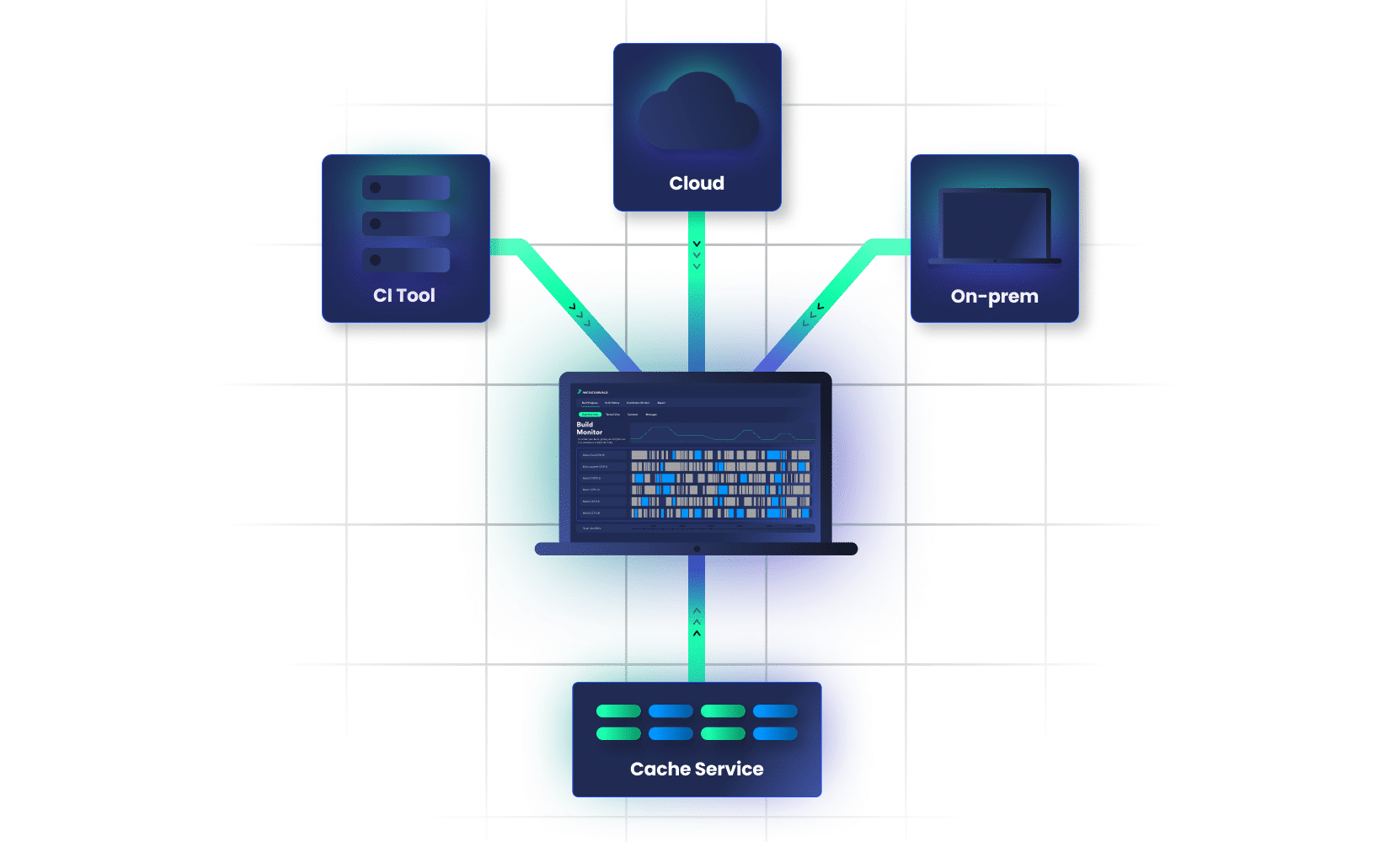
Build monitor and our observability suite give you unprecedented visibility into your builds, letting you pinpoint code quality issues, quickly find who broke the build, and push resolutions much faster.

Incredibuild's asset orchestration tools let you optimize your existing resources and deliver compute power to your devs exactly when they need it.
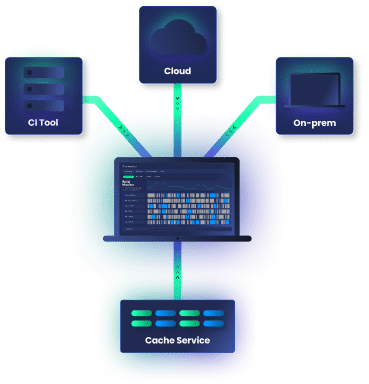
Incredibuild uses the hardware you already own or your cloud resources to distribute and cache your builds, giving 8-10X faster builds (or more) without changing your code, processes, or tools.
 Read more about our product

Before Incredibuild, I used to think of ways to develop my builds faster and avoid creating too many compiling objects. With Incredibuild, there is no stress. I don’t need to worry about programming heavy builds.

Before Incredibuild, I used to think of ways to develop my builds faster and avoid creating too many compiling objects. With Incredibuild, there is no stress. I don’t need to worry about programming heavy builds.

I’ve been using Incredibuild for my over-10 years’ career in development. I can’t imagine development without it.

Having Incredibuild brought down our build time sigfnificantly, from around 25 minutes to less than five.

The utilization of Incredibuild as part of our processes has yielded a significant 50% decrease in our UE5 processing time and a remarkable 76% reduction in our build times, maximizing our computing resources with great efficiency.

Incredibuild lets our developers focus more time on making our simulated worlds immaculate.

We believe strongly in investing in tools like Incredibuild since developer time and experience is more important

Adobe used Incredibuild to centralize build environments to provide acceleration on demand
| Before Incredibuild | 450 min |
| After Incredibuild | 15 min |

Bandai Namco Studios accelerated builds and gained time to innovate and create better games
| Before Incredibuild | 50 min |
| After Incredibuild | 18 min |

Cerence cut down build times and allowed for faster development cycles for a smoother workflow
| Before Incredibuild | 30 min |
| After Incredibuild | 1 min |

Orderbase reduced compile times and enhanced developer productivity
| Before Incredibuild | 180 min |
| After Incredibuild | 30 min |

ALGOTEC was able to implement CI/CD methodology and shorten their feedback cycles
| Before Incredibuild | 180 min |
| After Incredibuild | 34 min |

Allseas accelerated offshore critical development with faster builds and smart compute allocation
| Before Incredibuild | 25 min |
| After Incredibuild | 5 min |
your development on every major platform
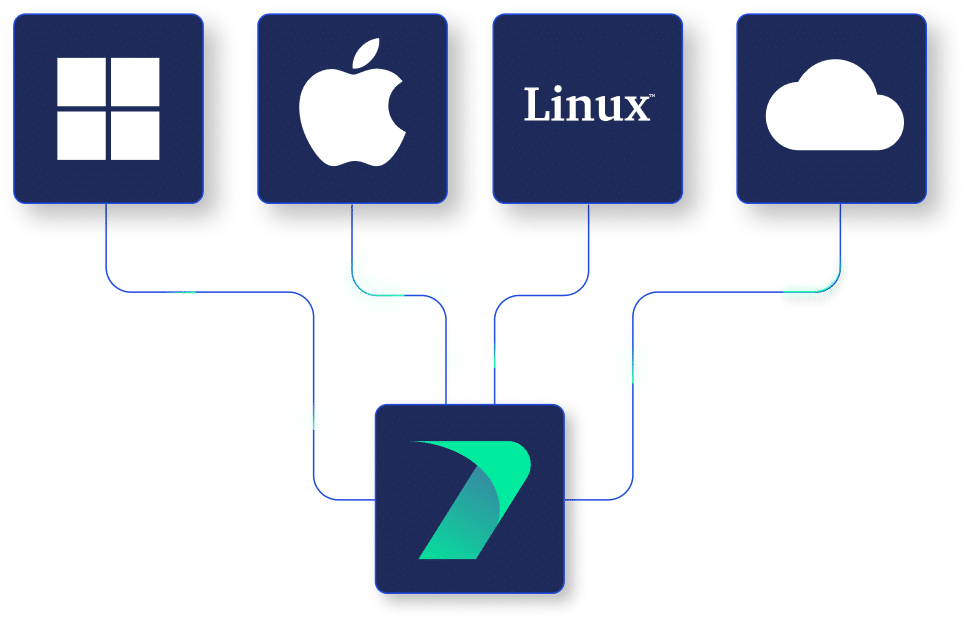
The Incredibuild platform integrates with your development toolchain